Schools
New Testing Unveiled for California Schools, Would Reduce STAR Testing
The state superintendent's plan would emphasize critical thinking skills. Some STAR testing may be suspended. Do you think this is a move in the right direction?

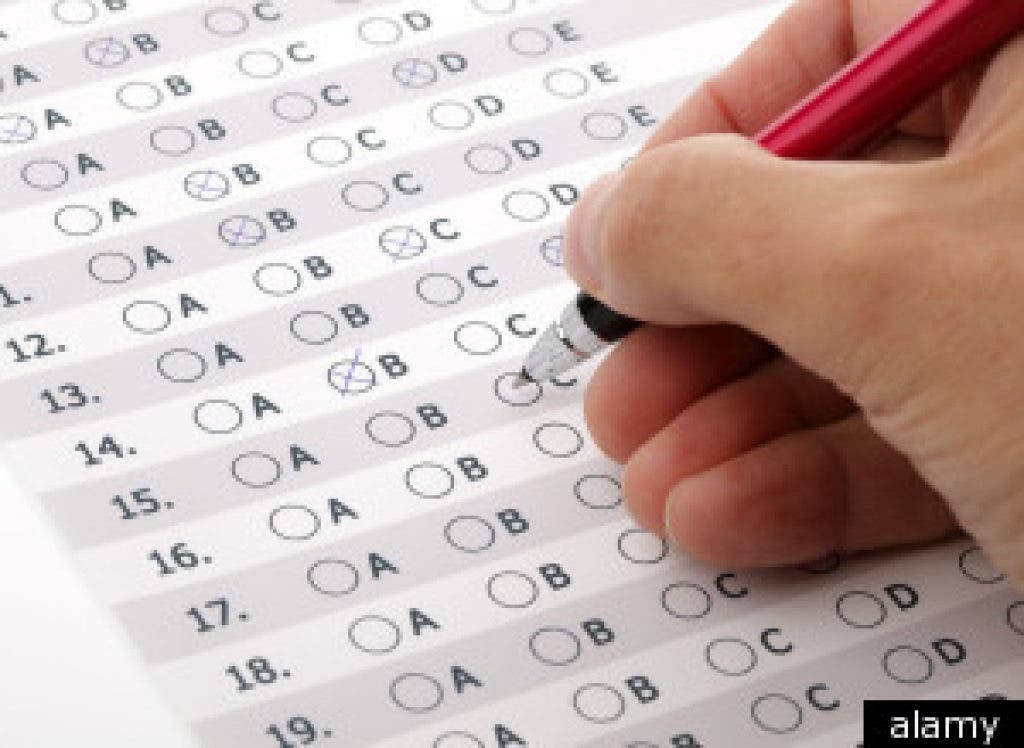
In the near future, California students will be thinking a lot more and filling in fewer bubbles when they take standardized statewide tests.
At a news conference Tuesday morning, state Superintendent Tom Torlakson unveiled a new testing system for schools statewide.
The new tests follow the guidelines set forth in the Common Core State Standards. Those recommendations were put together last year by a task force that studied new testing methods under a mandate by the state Legislature.
Find out what's happening in Redlands-Loma Lindawith free, real-time updates from Patch.
If approved by state legislators, the new testing system would begin in the 2014-2015 school year.
The superintendent is planning to suspend STAR Program assessments for the coming school year unless the exams are specifically mandated by the federal Elementary and Secondary Education Act (ESEA) or used for the Early Assessment Program (EAP).
Find out what's happening in Redlands-Loma Lindawith free, real-time updates from Patch.
This change would suspend STAR testing of second graders and end-of-course exams at the high school level.
Torlakson said the current testing system has improved student learning throughout the state, but it's time to move to a different kind of assessment.
“We're moving to a new dimension, a higher dimension,” said Torlakson.
Torlakson has made a dozen recommendations to the legislature for the Statewide Pupil Assessment System.
One of the keys is to move away from memorization of knowledge and focus more on students' critical thinking, analytical skills and problem solving.
State leaders said the new tests will measure the ability of students to understand and use what they have learned.
“Multiple-choice, fill-in-the-bubble tests alone simply cannot do the job anymore and it’s time for California to move forward with assessments that measure the real-world skills our students need to be ready for a career and for college,” said Torlakson.
What do you think? Should the state testing system be revamped? Should we leave it alone? Should we be doing statewide testing at all? Tell us in comments.
Get more local news delivered straight to your inbox. Sign up for free Patch newsletters and alerts.

